 Ahmad Affan
SaaS development
SaaS development, from first sketch to a product people pay for.
I design and build multi-tenant SaaS platforms end to end: sign-up and billing, tenant isolation, dashboards, background jobs and the production deploy. I have built four, one of them my own (Appex Market) and three for clients, so I know what happens after launch.

A SaaS product is more than a web app with a login. It needs a data model that keeps every customer’s data separate, billing that stays correct when cards fail or plans change, admin tools so you can run it, and an architecture you can still change a year from now.
I work as one owner across all of it: the product screens, the API, the database, payments, integrations and the server. You get a single person who understands the whole system, which keeps decisions fast and avoids the gaps that appear between a designer, a front-end team and a back-end team.
Booking and scheduling platforms
Branded customer sites, staff and availability models, reminders and calendar sync, sold to many businesses from one codebase.
Vendor storefronts and marketplaces-as-a-service
Let each vendor open their own shop with a catalogue, checkout and orders, while you own billing and the platform.
Licensing and subscription products
Plans, seats, licence keys and entitlements enforced on the server, for software, signals, tools or content.
Admin and operations dashboards
Internal tools that replace spreadsheets: orders, customers, support queues, approvals and reporting.
Client portals and white-label apps
A secure area where your customers see their data, documents, invoices and progress under your brand.
Niche workflow products
Vertical software for one industry: intake, quoting, scheduling, compliance records, whatever the work actually involves.
Scope and data model
A written scope, the entities and the tenancy plan before any screens, so the foundation is right.
Authentication and roles
Sign-up, sessions, roles and permissions, with every query scoped to the signed-in tenant.
Multi-tenancy
Shared tables with tenant IDs, a database per tenant, or a hybrid. I recommend one based on your risk and cost, not by habit.
Billing
Stripe subscriptions with webhooks as the source of truth, or on-chain invoicing for crypto products. Proration, failed payments and refunds are handled.
Dashboards and UI
Fast, accessible React or Next.js front ends: onboarding, settings, tables, charts and admin consoles.
Jobs and integrations
Queues and workers for email, webhooks, imports, reminders and third-party APIs, with retries and logging.
Deploy and operate
Production deploys behind Cloudflare on Windows Server or Linux, monitoring, backups and a runbook for handover.
| Front end | Next.jsReactTypeScriptTailwind CSS |
|---|---|
| API | FastAPI (Python)NestJS (Node)Django REST Framework |
| Data | MongoDBPostgreSQLRedis |
| Payments | StripeBitcoin and Litecoin invoicing |
| Background work | CeleryBullMQWebhooks |
| Hosting | CloudflareIIS on Windows ServerNginxDocker |
Discover
We agree the users, the must-haves and what waits for version two. You get a one-page scope.
Design the foundation
Data model, tenancy approach, roles and the integrations you need, with a milestone plan.
Build in milestones
Core flows first on a staging link you can click through, then billing, admin and polish.
Harden
Permission checks, rate limits, webhook verification, backups and tests around anything that touches money.
Launch and support
Deploy, monitoring and handover docs, then a support window and ongoing help if you want it.
Choose the isolation model early
Switching from shared tables to database-per-tenant later is expensive. Decide with your customers’ compliance and size in mind.
Make billing the source of truth
Let the payment provider’s events drive access. Never trust the browser to say a plan is paid.
Build admin tools in week one
Support will ask to see a tenant’s state, reset something or refund an order. Plan for it now.
Log and monitor from day one
You can’t fix what you can’t see. Structured logs and alerts are cheap early and priceless later.
Work in this area, shipped and live.
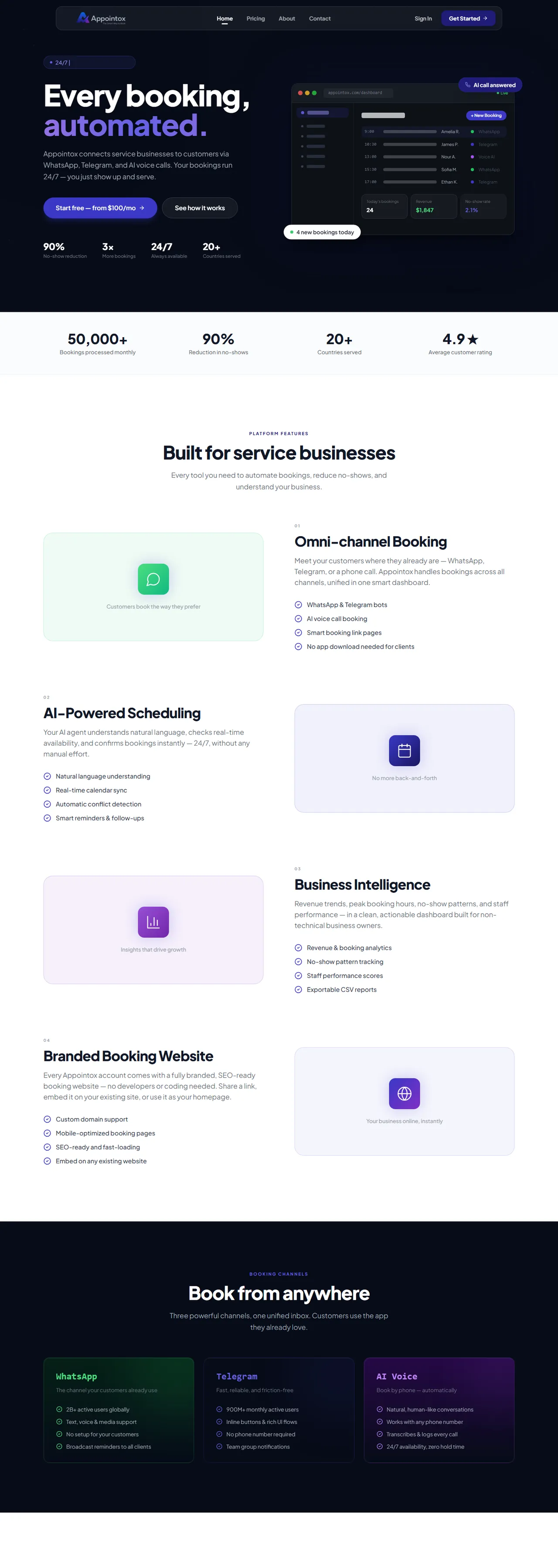
Appointox
Multi-tenant booking SaaS with subdomain sites, chat bots and an AI phone agent.
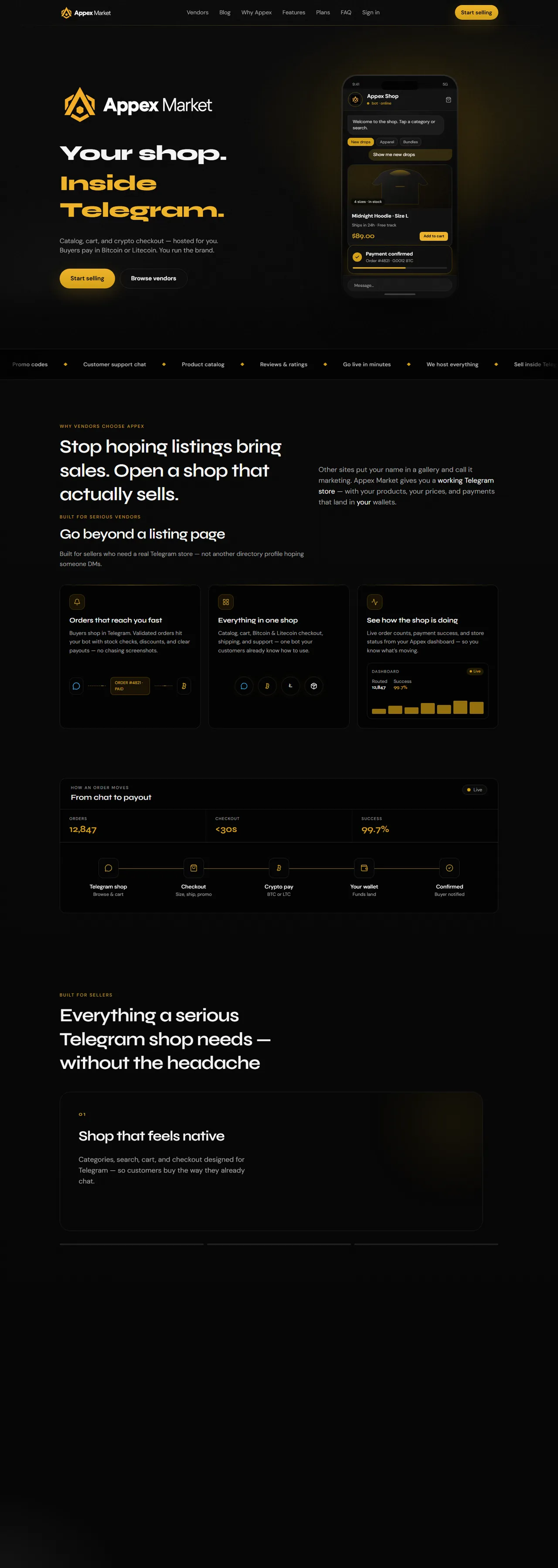
Appex Market
A multi-tenant SaaS that turns Telegram into a storefront, with crypto checkout.
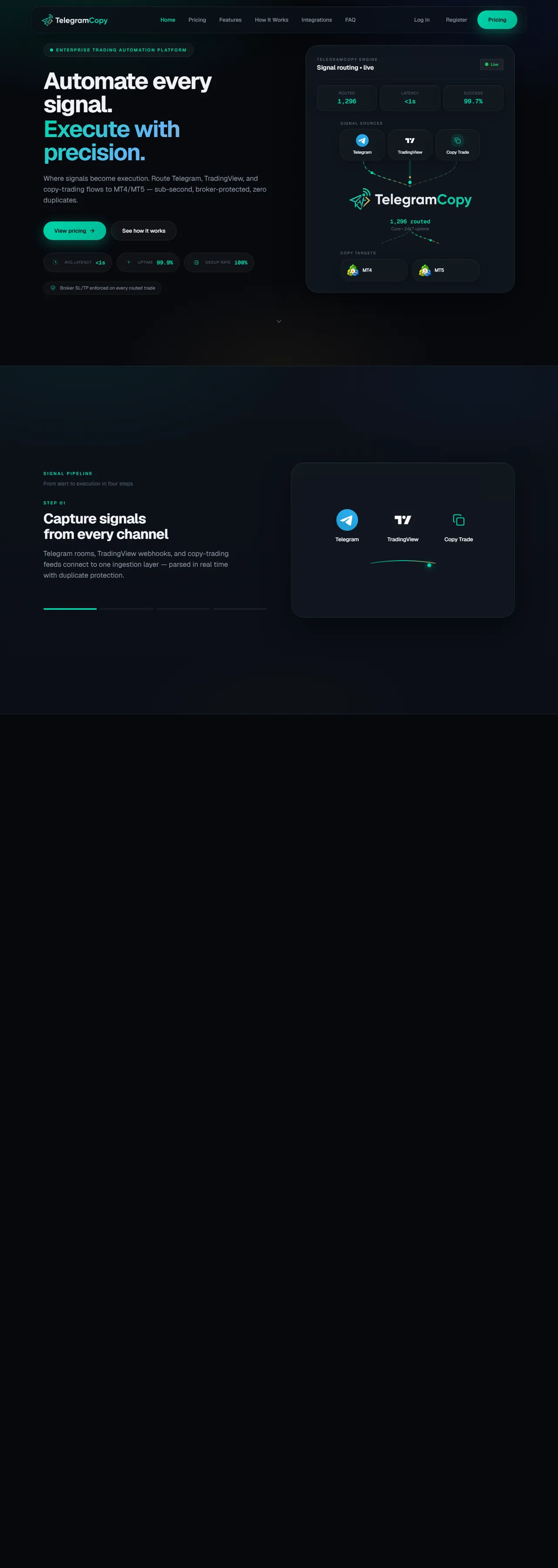
TelegramCopy
Telegram-to-MetaTrader copy trading with Stripe billing and queued execution.
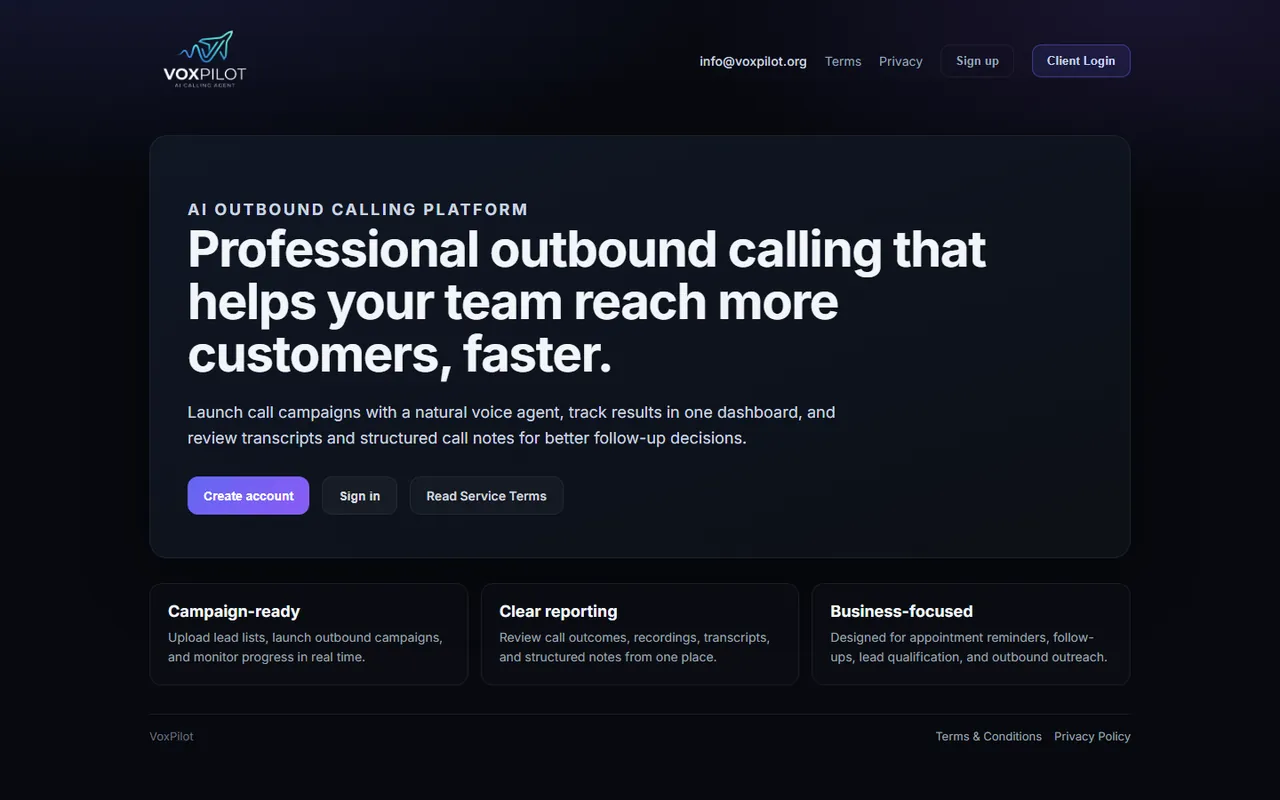
VoxPilot
AI outbound calling control panel: agents, campaigns, transcripts and live transfers.
Guides on this topic.

Multi-tenant SaaS architecture: shared tables or a database per tenant?
The tenancy model is the one decision you can’t cheaply undo. Here is how the four common patterns compare, and how I choose between them for real products.
Read the guide
Stripe subscription billing for SaaS: webhooks, plan limits and what goes wrong
Taking the first payment is easy. Keeping access correct when cards fail, plans change and events arrive out of order is the real work.
Read the guideOne application serves many customers (tenants) while keeping each customer’s data separate. It is how most B2B software is built, because you maintain one product instead of one copy per client.
Both work. PostgreSQL suits strongly relational data and row-level security. MongoDB suits flexible documents and per-tenant databases. I choose after looking at your data and how isolated each customer must be.
Yes. I add subscriptions, webhooks, plan limits and the customer billing screens, and make the backend enforce what each plan allows.
Yes. I start with a short audit so you get an honest view of what to keep, fix or rebuild before any new features.
You do. Source code, domains, hosting and credentials are in your name from day one.
Other services